 Paso FusionTalk to us
Objective
Task, baseline and acceptance criteria
CORE SERVICE · MULTI-CLOUD GPU ENGINEERING
Independent GPU cloud selection and engineering services connecting global hyperscalers and specialized regional GPU clouds across Southeast Asia and Australia, matching compute infrastructure to workloads, deployment regions, and lease terms.
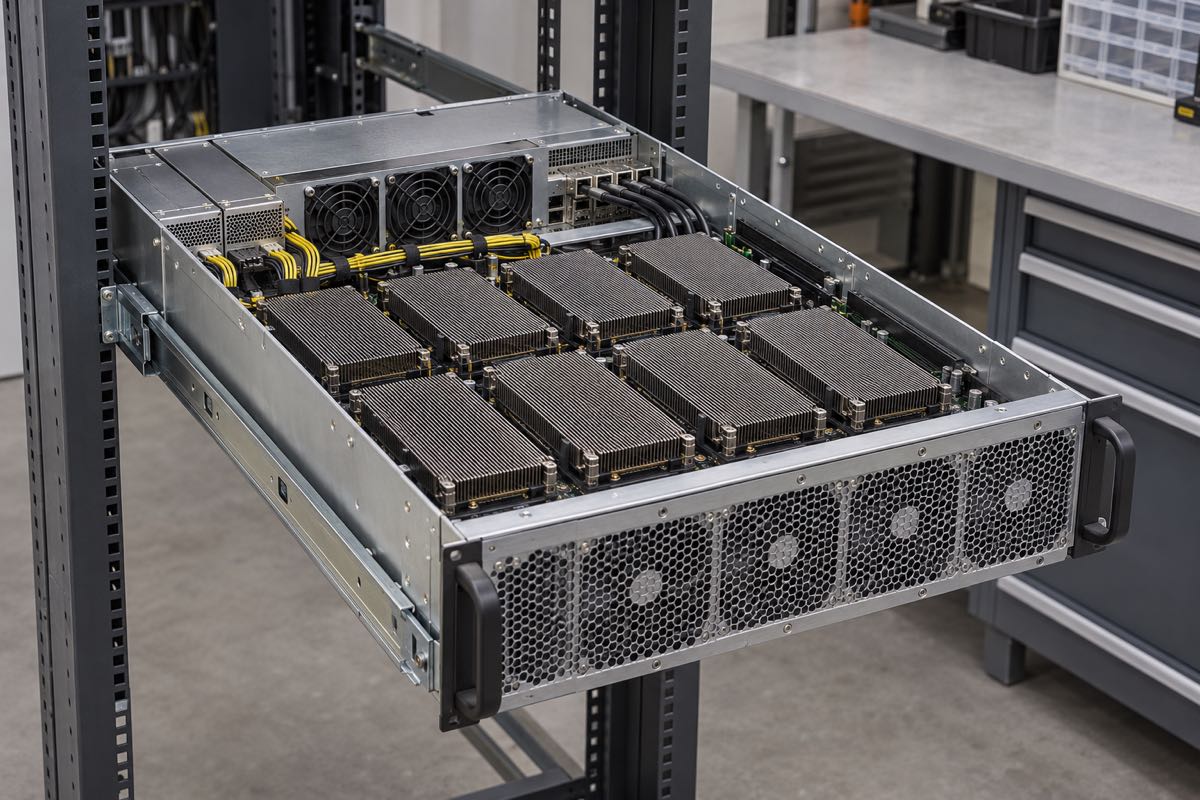
Paso Fusion does not build its own physical datacenters; underlying GPU compute capacity and datacenter facilities are provided by major global cloud vendors and selected third-party GPU cloud upstream providers.
Relying on a position independent of any single cloud vendor, the team coordinates on-demand leasing, short-term clusters, or medium-to-long-term reserved resources across multi-cloud upstream providers based on client model architectures, target user regions, delivery timelines, and budget constraints, providing four engineering modules around infrastructure implementation.
Assessments cover GPU memory capacity across different generations, compute precision support, intra-node interconnect methods (PCIe or high-speed interconnect bus), card counts per machine, and billing rules and supply stability across different upstream regions.
Evaluations focus on client-to-inference routing paths, inter-availability-zone and inter-region interconnect latency, model weight distribution networks, and upstream egress and cross-region traffic billing models.
Evaluations center on target model architectures, context and generation lengths, request arrival distributions, quantization trade-offs, and runtime engine parameter tuning, verified through empirical testing within agreed scopes and pilot allocations.
Assessments review geographic data residency constraints, compute and network isolation configurations, administrative access perimeters, and upstream provider audit documentation.
Scope, evidence and responsibilities are confirmed for each project.
| Dimension | Project input | Evidence to verify |
|---|---|---|
| Region | Target users and residency constraints | Available locations and processing terms |
| Resource form | Model, precision and workload pattern | GPU, host and isolation specifications |
| Rental term | Baseline demand and peak window | Commitments, changes and release conditions |
| Delivery time | Target start and validation schedule | Provider availability and handover prerequisites |
| Network | Data paths and communication needs | Topology, transfer pricing and measured baseline |
| Constraints | Budget, access and operating responsibilities | Contract exclusions and unresolved dependencies |
Format examples only; fields and results are completed through project validation.
Task, baseline and acceptance criteria
Model version, GPU, engine and network
Inputs, precision, concurrency and sampling method
Commands, logs and observation window
Measured outcomes, constraints and repeat conditions